
The History of Meadowview, Virginia
A Story Written Across Generations
From early settlement and the arrival of the railroad to a thriving town square and the community Meadowview is today, more than two centuries of history have shaped this special corner of Southwest Virginia.
Before the Railroad
Meadowview’s Earliest Chapters
Long before Meadowview became known for its railroad, depot, and busy town square, the area was part of a landscape crossed by Native American travel routes and shaped by the rolling meadows of Southwest Virginia.
The first recorded settler associated with the Meadowview area was James Glenn, who purchased property here in 1783. In the decades that followed, farms, homes, and local roads gradually established the rural community that would later grow around transportation and commerce.
Early references often spelled the community’s name as “Meadow View.” The name has traditionally been associated with the broad green meadows surrounding the area, while some accounts have also connected it to the nearby Meadow Mountain name found on early maps.
James Glenn
James Glenn became the first recorded settler connected with Meadowview when he purchased property in the area.
Open Meadows
The area's broad fields and rolling landscape helped give Meadowview the identity reflected in its name.
Paths Through the Valley
Native American travel routes crossed this region long before permanent European settlement took hold.
The arrival of the railroad would transform Meadowview from a rural settlement into a growing center of transportation and commerce.
1856 — A Turning Point
The Railroad Changes Everything
The arrival of the railroad in 1856 transformed Meadowview from a rural settlement into an important transportation and commercial center for the surrounding countryside.
The rail connection opened new opportunities for local farmers, merchants, timber operations, and livestock producers. Goods could move farther and faster, and Meadowview became an increasingly busy point of connection between local agriculture and larger regional markets.
As rail traffic grew, the community developed around the tracks. The depot, stockyards, stores, businesses, and town square became central parts of daily life — helping shape the Meadowview remembered by generations of local families.
In the decades that followed, Meadowview Square would become a lively center of trade, transportation, and community life.
Continue to the Town Square →Commerce & Community
A Thriving Town Square
As railroad activity grew, Meadowview Square became the commercial and social center of the community — a place where goods moved, businesses operated, and neighbors crossed paths every day.
The depot, stockyards, general stores, and nearby businesses helped make Meadowview an important shipping point for livestock, timber, agricultural products, and everyday goods serving the surrounding area.
Through the early and mid-twentieth century, the square was more than a place of commerce. It was where people met, traded, worked, traveled, and stayed connected to the wider region.
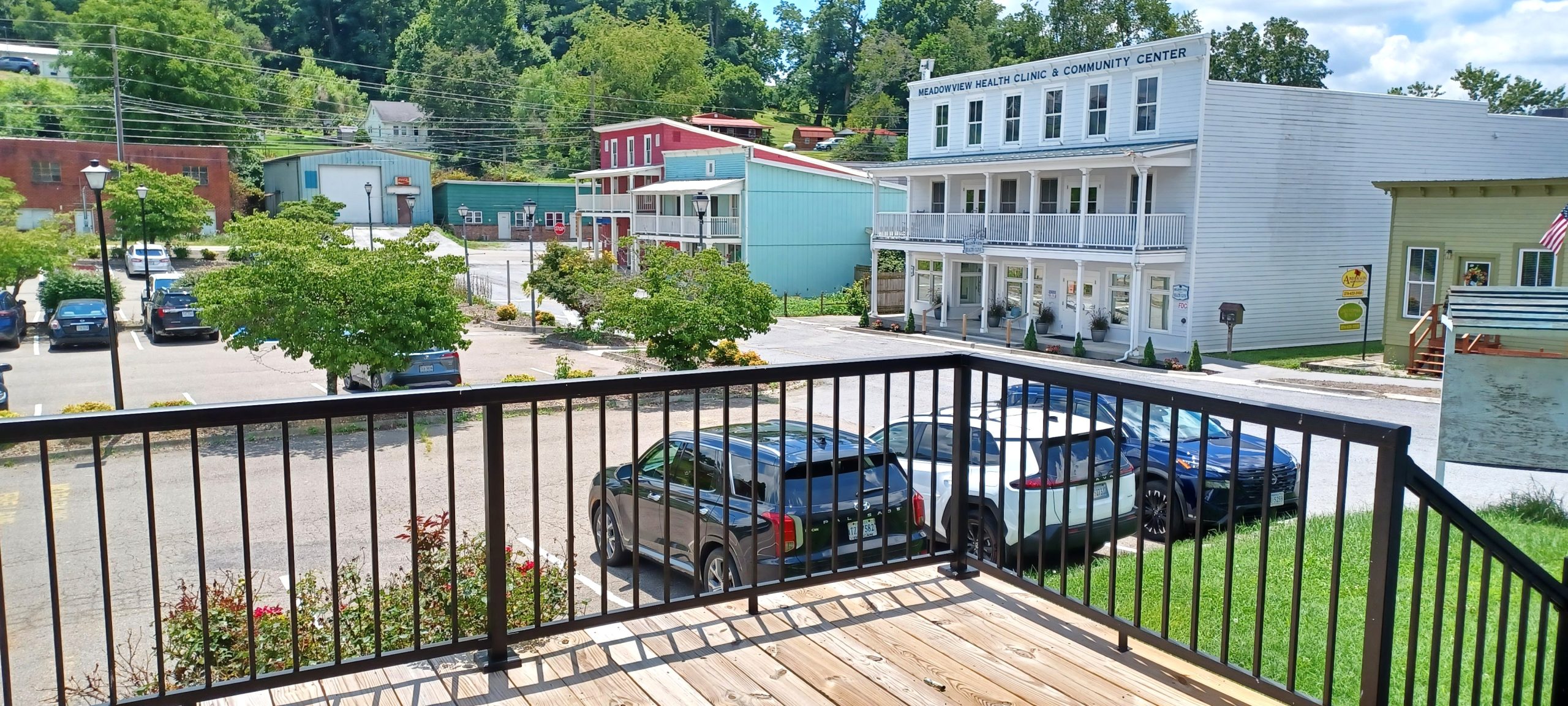
Meadowview, Virginia
Town Square
A period when railroad traffic, agriculture, and local commerce made Meadowview Square a busy community center.
A Community in Transition
Changing Times
For decades, the railroad had been at the center of Meadowview's economy and daily life. By the middle of the twentieth century, however, the way people traveled and moved goods was beginning to change.
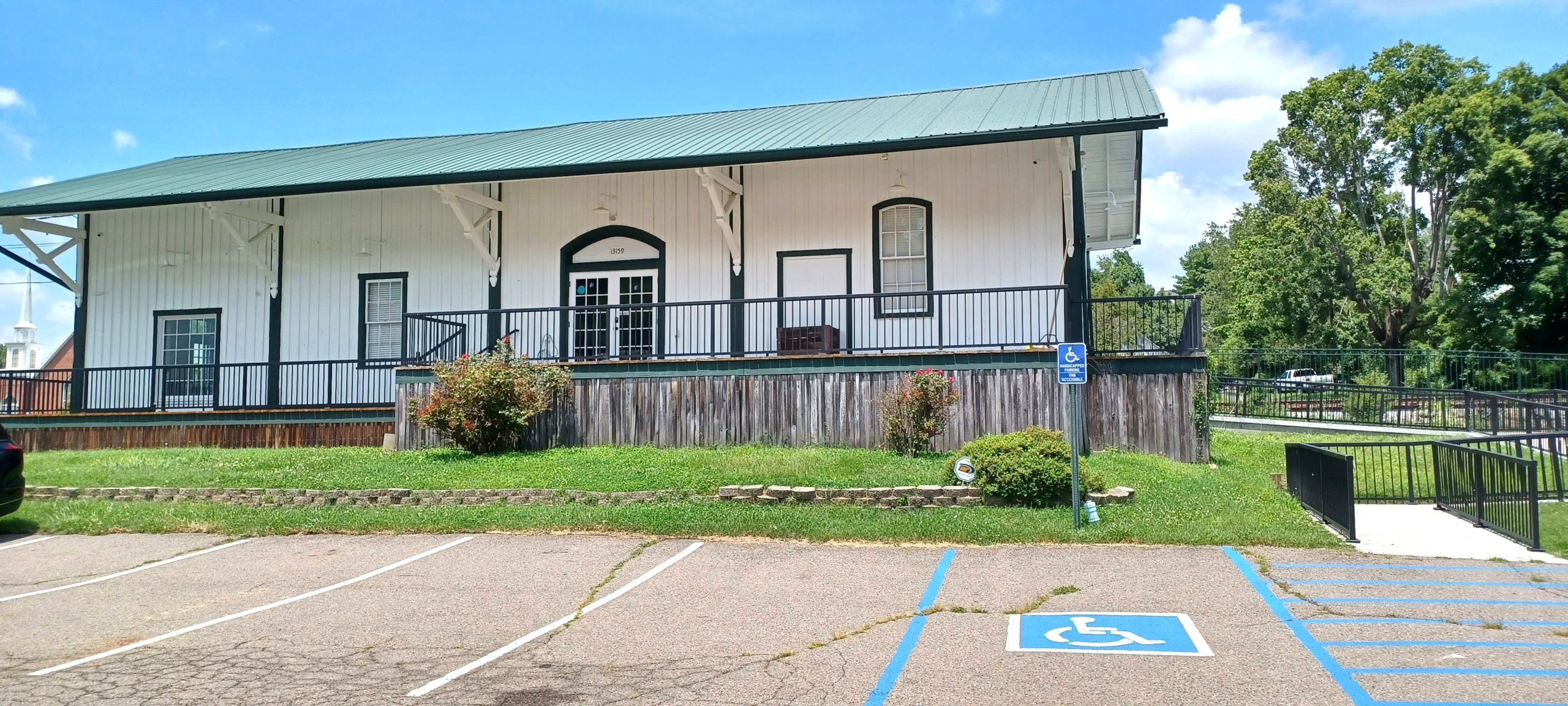
Meadowview remained a busy and active community through the 1950s, but declining passenger and freight service gradually reduced the importance of the railroad to the town's economy. The depot that had once helped drive Meadowview's growth eventually closed in the 1960s.
As activity around the railroad declined, the commercial center changed with it. Businesses disappeared, the once-busy square became quieter, and Meadowview increasingly returned to the rural and residential character that defines much of the community today.
The trains still passed through Meadowview, but the era when the railroad defined the rhythm of the community was coming to an end.
Meadowview was approaching the end of the busy railroad era that had shaped the community for generations.
Rail Service Declines
Passenger and freight activity decreased as transportation patterns changed across the region.
The Depot Closes
The depot that had helped anchor Meadowview's commercial growth closed during the 1960s.
The Square Grows Quieter
With less railroad commerce, the town center no longer experienced the level of activity that had defined earlier decades.
A Rural Community Remains
Meadowview continued forward as a close-knit, predominantly residential community surrounded by the landscape that had always defined it.
Years later, residents would once again come together around Meadowview's historic center — preserving its character, restoring community spaces, and giving new life to the town square.
The Story Continues →
Preserving a Community Landmark
Meadowview Community Center
The Story Continues
Preserving Meadowview's Story
Meadowview's history did not disappear when the railroad era came to an end. The same spirit of community that helped the town grow has continued through generations of residents committed to preserving what makes Meadowview special.
Local citizens and civic organizations have worked to protect Meadowview's character while finding new ways for historic places and community spaces to serve the people who live here. The town square remains an important gathering place and a visible connection between Meadowview's past and present.
Through projects involving community facilities, public spaces, health care, and economic development, Meadowview residents have continued a tradition that stretches back generations: neighbors working together to strengthen their community.
Historic Character
Protecting the places and stories that connect today's Meadowview with generations past.
Community Spaces
Giving important gathering places new purpose for meetings, celebrations, and local events.
Community Investment
Supporting projects that improve quality of life while respecting Meadowview's rural heritage.
Looking Forward
Building a stronger future without losing sight of the history that shaped the community.
The buildings have changed. The trains no longer define the town. But the spirit of Meadowview remains — a community built by people willing to work together.
Meadowview Through the Years
More Than Two Centuries of Community & Change
From early settlement to railroad growth, commercial change, and community preservation, Meadowview's story has been shaped by generations of people who continued building on what came before.
James Glenn Settles in the Area
James Glenn became the first recorded settler associated with Meadowview when he purchased property in the area.
The Railroad Arrives
Rail service transformed Meadowview from a rural settlement into a growing transportation and commercial center.
Edmondson Hall Is Built
William Campbell Edmondson built Edmondson Hall, one of the area's notable examples of Greek Revival architecture.
Commerce Grows Around the Depot
Stores, stockyards, agricultural trade, freight activity, and community life made Meadowview Square the heart of the town.
The Railroad Era Fades
As passenger and freight activity declined, the busy commercial center changed and the depot eventually closed.
A Community Still Moving Forward
Meadowview continues to preserve its history while investing in community spaces, local services, public life, and the future of the town square.
Every generation has left its mark on Meadowview. The next chapter is still being written.
Experience Meadowview
Come See Meadowview for Yourself
More than two centuries of history have shaped the community you see today. Visit Meadowview, explore the Town Square, discover the Community Center, and experience a place where history and community still come together.
Learn more about Meadowview First →
Honoring the past.
Building the future.